 Render a House/Updated Oct 14, 2026
What product renders cost
$42 to $230 per model for a packshot on white, $200 to $600 for a lifestyle scene — and most of the market publishes a price. Six rate cards, two cost guides, and an honest note on why an architecture renderer is not the tool for a chair.
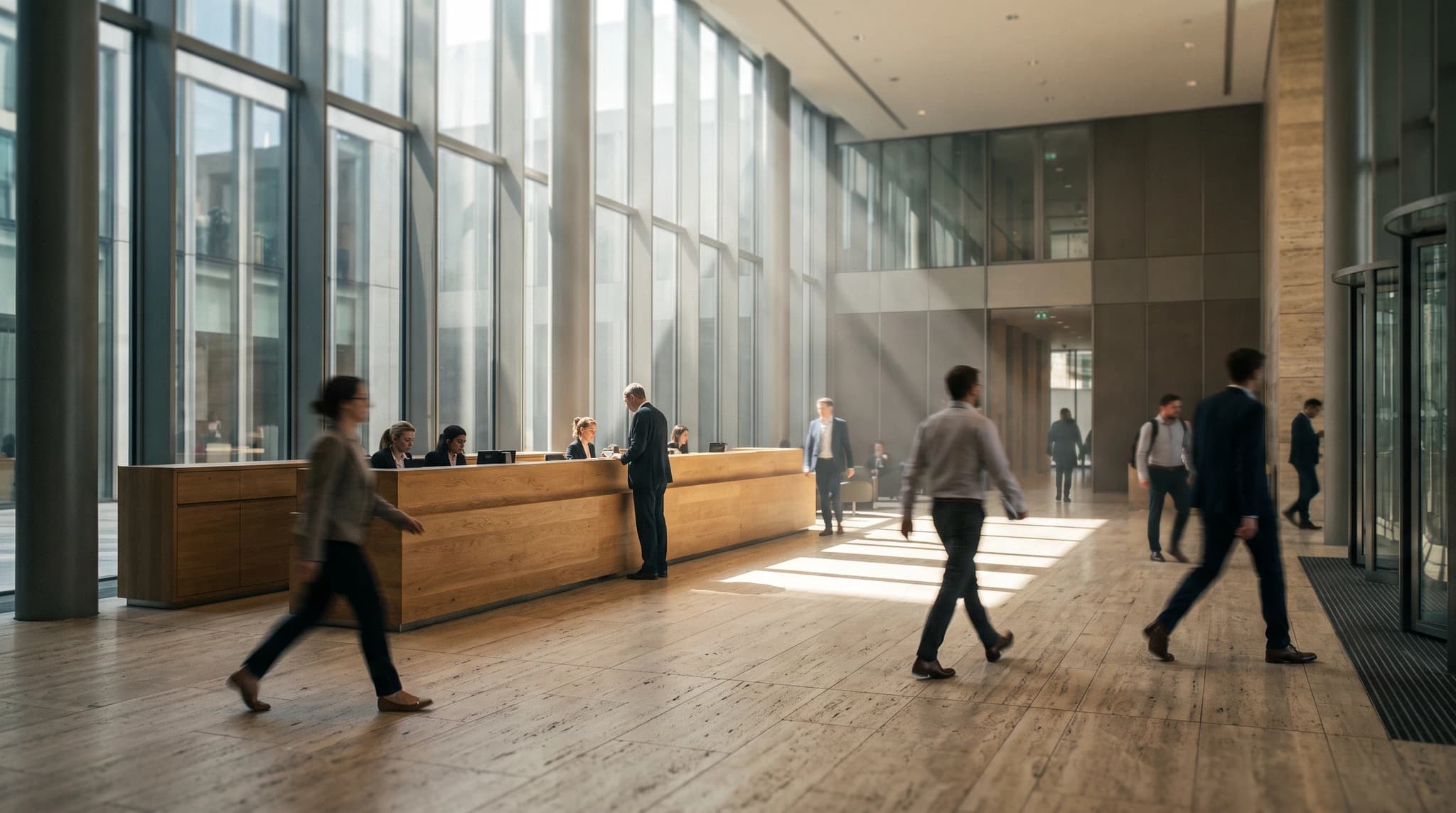
3 renders a day. Kitchens, interiors, fit-outs — from a plan.
- 8 providers checked
- 6 published rate cards
- 24 h–5 days standard

Drawing
Render
Drag to compare
How much do 3D product rendering services cost?
3D product rendering cost
Six of the eight providers on this page publish a price, which makes product rendering the most transparent corner of the rendering market. Here they are, exactly as stated: Modelry, Orbe3D, Rapid Renders, Maverick Frame Studio, CGIFurniture and Rendify. Packshot means the product alone on a white or neutral background; lifestyle means the product in a styled scene. Last updated: September 11, 2026.
| Provider | Packshot on white | Lifestyle scene | Turnaround | Revisions |
|---|---|---|---|---|
| Modelry (CGTrader) | From $42 per model, any angle | From $250 per model | Not published | Not published |
| Orbe3D | $70 simple · $120 medium · $230 complex, per model | Included at the complex tier | 24–48 h on standard pieces | Rounds included |
| Rapid Renders | $99–$199 for a single SKU on white | $200–$600 · complex products $200–$1,500 | 1–2 days simple · 2–5 days complex | Up to 5 free on the quoted estimate |
| Maverick Frame Studio | From $156 per product render | Not priced separately · product 3D model from $312 | Not published as a standard | Not published |
| CGIFurniture | $198 per SKU package: 10 images, up to 10 colourways, GLB included | $200–$400 per lifestyle render | 2–3 business days on most packages | Included; scope agreed on a demo call |
| Rendify | Subscription from $2,000 / month, unlimited requests | Included in the plan | From 12 hours | Unlimited until approved |
| Render a House | Does not render standalone products | Rooms with the collection in place, free for 3 renders a day · Pro $39/mo | Seconds | One credit per attempt |
Two providers also publish a guide to what the market charges, separately from their own rate. Those bands are wider than the rate cards because they include the complex end — glass, gems, fabric, assemblies — that a starting price does not.
| Deliverable | Rapid Renders guide | Transparent House guide |
|---|---|---|
| Simple product on a white background | $99–$300 per image | $100–$300; freelancers $75–$250 |
| Multi-part or configurable product | $300–$900 | Not published |
| Luxury goods — glass, gems, watches | $400–$1,500 | Not published |
| Full e-commerce package per product | Not published | $800–$3,500+ |
| Short product animation | Not published | $2,000–$5,000 |
| First test renders | 1–3 days | Not published |
Guide figures as published by Rapid Renders and Transparent House. Both describe the market; Rapid Renders’ own prices are in the first table, and Transparent House publishes none.
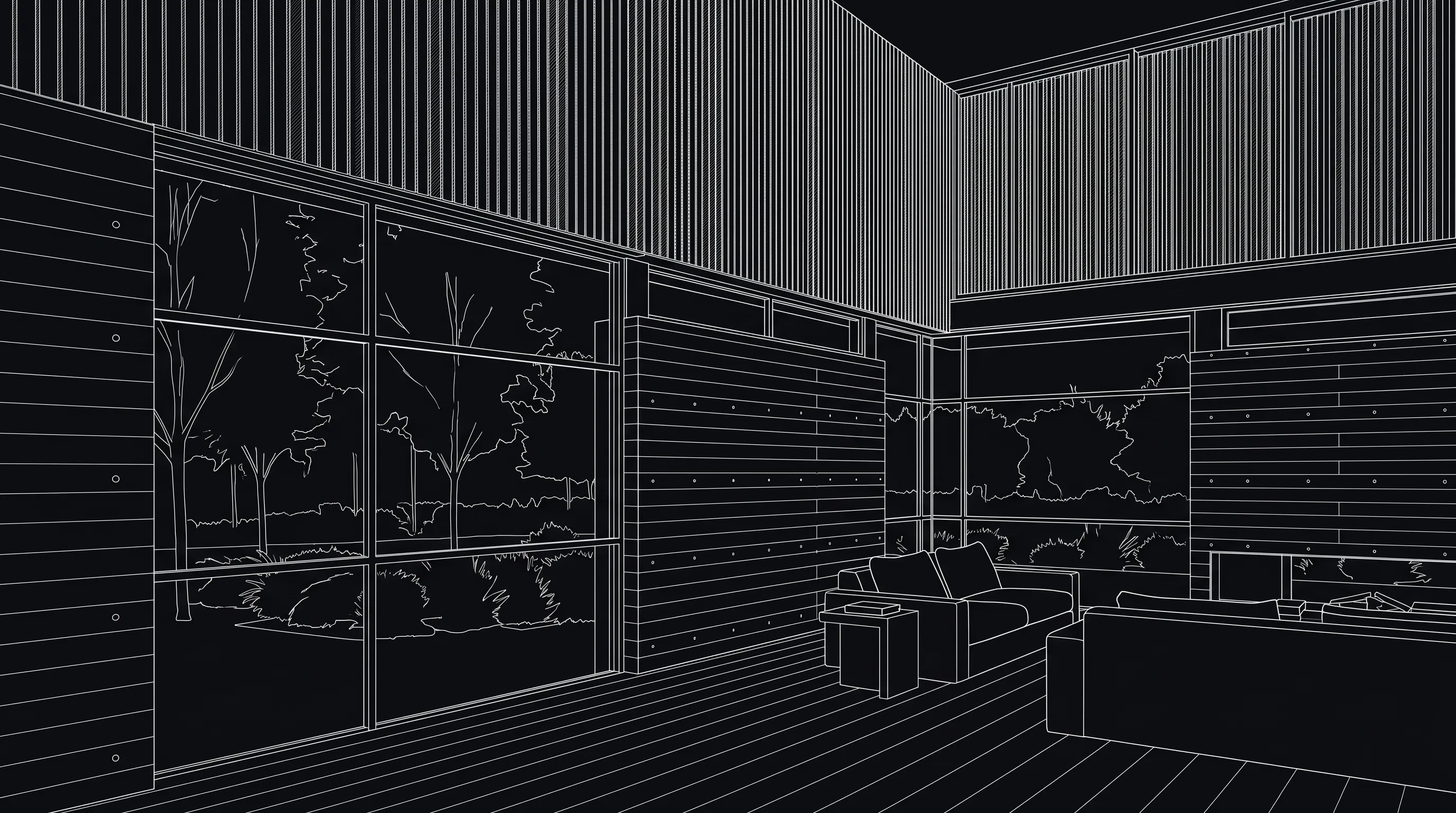
Drawing
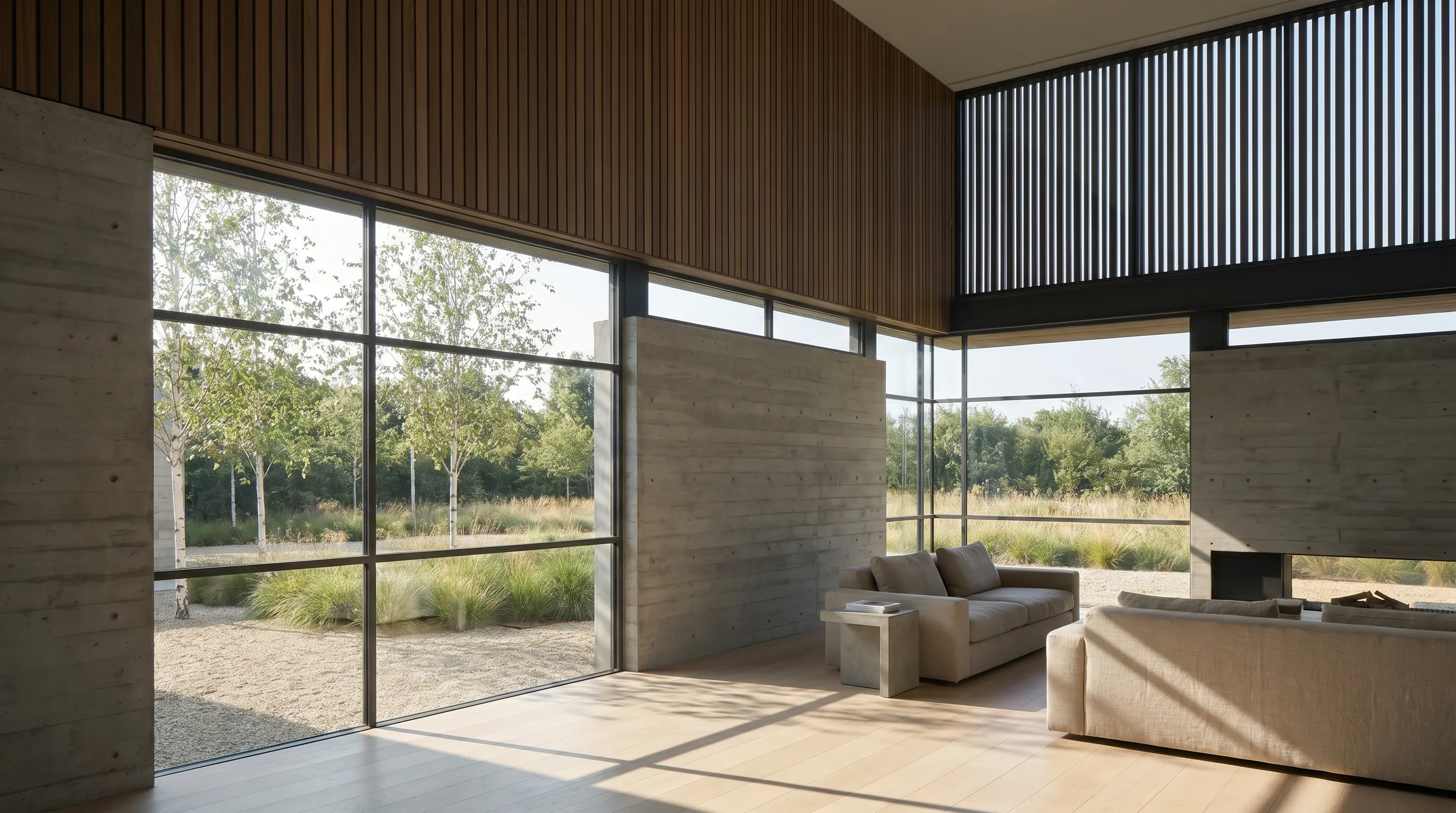
Render
Drag to compare
Why does the price per image matter less than the price per product?
Per SKU, not per image
Because the model is the expensive part and the render is cheap. A product rendering pipeline builds the object once — from CAD, or from photographs and dimensions — and every angle, colourway, background and scene after that reuses it. Every provider on this page prices around that fact, and the ones that publish do it in the open.
CGIFurniture sells ten images across ten colourways as one $198 package. Orbe3D discounts 25% from fifty units and up to 42% from two hundred. Rendify replaces the per-image price with a monthly plan. Rapid Renders’ guide puts the crossover against photography at five to ten images per product. If you are pricing a catalogue, the number to ask for is the cost of the second image, not the first.
Which product rendering providers should you look at?
3D product rendering companies
Eight providers, each checked against its own website in September 2026. They are not ranked. Three are marketplaces or platforms priced per model, three are studios with a rate card, one is a subscription and one is a boutique that quotes per project; the useful question is how many SKUs you have and where the images are going.
Modelry
CGTrader's production platform
The cheapest published packshot on this page, and the reason the range starts at $42: 3D virtual photography from $42 per model, delivered as photorealistic shots from any angle, and lifestyle scenes from $250 per model chosen from a library of pre-built rooms or built bespoke. Sits on CGTrader's marketplace and quality-assurance process, with a free 3D and AR hosting tier and paid plans from $13 a month. No turnaround or revision policy published.
Verified on its pricing page
Orbe3D
Orbe3D LLC · Atlanta, Georgia · production in Dhaka
Three flat tiers per model — $70 for basic geometry with one or two materials and a single 4K studio angle, $120 for multiple materials with glTF and USDZ for AR, $230 for high-detail upholstered pieces and assemblies with multi-angle lifestyle-ready output — and published volume discounts of 25% from 50 units and up to 42% from 200. Founded 2018, 24–48 hours on standard pieces, revision rounds included, payment terms of 15–30 days from invoice.
Verified on its price page
Rapid Renders
Torrance, California · Colombo, Sri Lanka
Publishes a full product ladder, and says why: it got tired of the request-a-quote pattern. Single SKU on white $99–$199 with 1–2 day delivery, complex multi-part or fabric-and-metal products $200–$1,500 in 2–5 days, lifestyle scenes $200–$600, renders built straight from existing CAD $250–$700 per image. Up to five free revisions on the estimate, unlimited for 25% upfront, 60% billed up front.
Verified on its published rate card
Maverick Frame Studio
Great Portland Street, London
A London price list, which is rare: product and furniture rendering from $156, product 3D modelling from $312, product animation from $1,800, or an hourly rate of $39 for rendering and from $30 on a 40-to-160-hour monthly subscription. The one to look at when the product and the architecture share a brand — it renders both, and prices exteriors and interiors on the same page.
Verified on its pricing page
CGIFurniture
Furniture and product CGI · states 642 artists and 144 modellers
Prices the SKU rather than the image: $198 buys ten marketplace-ready images per product across up to ten colours, materials or modifications, a reusable GLB for AR and web, and a dimension graphic — formatted for Amazon, Shopify and Wayfair — with most packages delivered in 2–3 business days. The offer applies to orders of thirty or more models a month; smaller volumes are priced individually. Its FAQ puts a 3D model at $100–$380 and a lifestyle render at $200–$400.
Verified on its homepage offer and FAQ
Rendify
Quebec City · founded 2020
The subscription model: one flat monthly plan from about $2,000 instead of per-image quotes, covering product, furniture, exterior and interior rendering with unlimited requests in the queue, unlimited revisions until approval, a dedicated project manager and turnaround from 12 hours. States 85+ vetted artists. Only makes sense past roughly ten to twenty images a month; below that, the per-model providers above are cheaper.
Verified on its pricing page
Transparent House
San Francisco · Los Angeles · Berlin
Established 2004 in San Francisco, with a Berlin office since 2014, 25+ people and a stated 1,800+ projects across automotive, consumer electronics, retail and beauty — Fortune 500 work rather than marketplace listings. Publishes no rate of its own; its cost guide is the source of the $100–$300 packshot and $800–$3,500 e-commerce package bands above, which it describes as the market. Quote per project.
Verified on its 2026 cost guide
Roger Vila 3D Studio
Granollers, Barcelona province
A Catalan studio that splits its work between real-estate developments and manufacturers' catalogue and e-commerce renders, stating over fourteen years and 3,000 projects. The homepage carries a “View pricing” button that opens a quote form promising an answer within 24 hours rather than a rate card — the European norm this page's US-priced providers are the exception to. Also appears on the Barcelona studios list.
Verified on its aviso legal
What does a product rendering service need from you?
What you send
Less than an architectural studio needs, and most of it is the product itself. The first order is the slow one because the model has to be built; what you send decides how slow.
CAD if it exists
STEP, IGES, SolidWorks, or the manufacturer’s model. Rapid Renders prices renders built straight from existing CAD at $250–$700 an image because the modelling step disappears.
Photographs and dimensions if it does not
Several angles, a tape measure in one of them, and the material close up. Orbe3D and CGIFurniture both model from this routinely.
Materials with codes
Swatch references, Pantone or RAL numbers, hardware finishes. The colourway list decides the package price at CGIFurniture and the tier at Orbe3D.
The channel
Amazon, Shopify, Wayfair and print each want different sizes and backgrounds. CGIFurniture formats to marketplace spec as part of the $198 package; others need to be told.
Angles and backgrounds
Front, three-quarter, top, detail; white, grey, in-scene. Each is a line on the quote at the per-image providers and a count against the package at the per-SKU ones.
Whether you want the model back
A GLB or USDZ for AR and web 3D is included at Orbe3D’s medium tier and in CGIFurniture’s package. Ask before the order; it is worth more than the images if the range will grow.
What should you check before ordering product renders?
Choosing a provider
Per model, per image or per month
Modelry and Orbe3D price the model; Rapid Renders and Maverick Frame the image; CGIFurniture the SKU package; Rendify the month. The same forty-SKU catalogue is a different bill at each.
The minimum order
CGIFurniture’s $198 applies from thirty models a month. Orbe3D’s discounts start at fifty units. A single hero product belongs at a per-image provider.
Material samples in the portfolio
Velvet, brushed brass, clear glass and gemstones are where renders fail. Look for your material, not your product category.
Who owns the model
CGIFurniture states a full commercial licence with the model included. Confirm it in writing everywhere else, or the second colourway next year is a new modelling fee.
Render a House, alongside a product rendering service
An honest comparison, because the two barely overlap. Render a House renders buildings and interiors; it does not photograph a product on white and is not listed above as if it did. Where the two meet is when the product is a room — a kitchen range, a bathroom collection, an office fit-out, furniture in the interior it was designed for. Side by side:
| a product rendering service | Render a House | |
|---|---|---|
| What it renders | A product: packshots on white, lifestyle scenes, 360° spins, AR models. | A building or an interior, from a plan, a model export or a drawing. Not a standalone product. |
| Where they overlap | Furniture and fixtures shown in a styled room, $200–$600 a scene. | The room itself — a kitchen, a bathroom, a fit-out — with the collection in place, from the plan. |
| Cost | $42–$230 per model on white; $200–$600 for a lifestyle scene. | Free at 3 renders a day; Pro is $39/mo for 240 credits. |
| Time | 24 hours to 5 days, plus the model on the first order. | Seconds per render. |
| Accuracy | Built from the CAD; the product is exact. | Keeps the space recognisable and the mood right; products are approximate, never catalogue-exact. |
What you get
- 3D integration. Where your CAD software exports a mesh, upload it and set the camera in the browser, then render from that view.
- Rendering. Photorealism in seconds rather than a queued calculation you leave running over lunch.
- Video. A camera move across the same project, generated from a finished still. Nothing to animate.
- Design. Try materials, light and surroundings until the version you want exists, without touching the source model.
- Refinement. Fix one part of a render — a facade panel, a tree, a sky — without starting the image again.
- Precision. Your geometry is respected: the walls, openings, heights and proportions you drew in your CAD software stay where you put them.
- Collaborative. Share a link and take comments on the image itself, so feedback lands on the render rather than in an email thread.
- Mobile and web. Runs in the browser, on the machine you have open, including a laptop that would struggle with a local render engine.
- 4K. Delivery resolution, ready to print or put on a board without a separate upscaling step.
If the deliverable is a chair on white, use Modelry, Orbe3D or Rapid Renders and pay $42–$230. If the deliverable is the room the chair goes in — the showroom, the kitchen, the fit-out — Render a House takes the plan or the model export and returns the scene in seconds, in a browser. Kitchens and bathrooms are the two collections it is used for most. To render products in-house instead, the product rendering software comparison prices KeyShot, Blender, V-Ray and four other tools.
Pricing
Try it out, go Pro when it starts paying for itself.
| Plan | Price | Includes | Next step |
|---|---|---|---|
| Free Try it out, no credit card required | Free forever Free forever |
| Start for free |
| Pro — Most popular For professionals and small teams | $39/mo $26/mo billed annually at $312/yr (4 months free) |
| Get started |
| Studio For studios and bigger teams | $99/mo $66/mo billed annually at $792/yr (4 months free) |
| Get started |
04
Book a demo
If you're several people, book a call and we'll help you integrate Render a House into your whole team's workflow.
| Pro (240 credits) | Studio (1000 credits) | |
|---|---|---|
| Render Pro 2 credits each | 120 | 500 |
| Render Standard 1 credit each | 240 | 1000 |
| Render Standard 2K 1.5 credits each | 160 | 666 |
| Render Pro 4K 4 credits each | 60 | 250 |
| Render Standard 4K 2 credits each | 120 | 500 |
| Video 0.8 credits/sec | 300s | 1250s |
What Render a House cannot replace
- A product on a white background for a listing. That is a $42–$230 packshot at Modelry, Orbe3D or Rapid Renders, and Render a House does not make one.
- A catalogue-exact product — the right hardware, the right stitching, the right hex colour. Render a House approximates furniture inside a scene; it does not reproduce a SKU.
- An AR-ready GLB or USDZ of the product. Orbe3D, CGIFurniture and Modelry deliver one; Render a House delivers images.
- A 360° spin or a product animation. Those are modelled-scene deliverables from a studio above.
Common questions about 3D product rendering services
How much does 3D product rendering cost?
- For a packshot on a white background, $42 per model at Modelry, $70–$230 at Orbe3D, $99–$199 at Rapid Renders, from $156 at Maverick Frame Studio, and $198 for a ten-image SKU package at CGIFurniture. Lifestyle scenes run $200–$600 at Rapid Renders, from $250 at Modelry and $200–$400 at CGIFurniture. Complex products — multi-part, fabrics, glass, jewellery — run $200–$1,500 per image in Rapid Renders' rate card and cost guide. Rendify sells all of it on a subscription from about $2,000 a month.
How long does a product render take?
- One to two days for a simple packshot at Rapid Renders, 24–48 hours on standard pieces at Orbe3D, 2–3 business days for most CGIFurniture packages, 2–5 days for complex products at Rapid Renders, and from 12 hours on Rendify's subscription. The first render of a product takes longest because the model has to be built; every angle, colourway and scene after that reuses it.
Why is the price per SKU more important than the price per image?
- Because the model is the expensive part. Once a product is modelled, a new colour, fabric or finish is a material swap and a re-render, which is why CGIFurniture prices ten images across ten colourways as one $198 package and why Orbe3D discounts 25% from fifty units and up to 42% from two hundred. A sixty-SKU catalogue costs far less than sixty times the single-image price at every provider on this page.
Is 3D rendering cheaper than product photography?
- Past a handful of images per product, usually. A photograph needs a physical sample, a studio day and a reshoot for every variant; a render needs the model once. Rapid Renders' guide puts the crossover at five to ten images per product. Below that, and for products whose whole appeal is a material a renderer struggles with, photography still wins — and several providers here say so on their own pages.
What do I need to send a product rendering service?
- CAD files if the product has them — STEP, IGES, SolidWorks, or a manufacturer's model — or photographs from several angles plus dimensions if it does not. Material references with product codes or swatches, the angles and backgrounds you want, the marketplace the images are for, and whether you need the model back as a GLB or USDZ for AR. Orbe3D and CGIFurniture both include the AR-ready model in their mid and upper tiers.
What is the difference between a packshot and a lifestyle render?
- A packshot is the product alone on a white or neutral background, lit for a listing; a lifestyle render places it in a styled scene — a sofa in a living room, a lamp on a desk. Providers price them separately and the lifestyle scene costs two to five times the packshot: $42 versus $250 at Modelry, $99 versus $200 at Rapid Renders' starting prices.
Can Render a House render a product?
- Not a product on its own. Render a House renders buildings and interiors from a plan, a model export or a drawing; it does not photograph a chair on white, and this page does not pretend it does. Where it overlaps is when the product is a room — a kitchen range, a bathroom collection, a fit-out, furniture shown in the interior it was designed for. For that it returns a photorealistic scene in seconds, free for three renders a day. For the packshot, use one of the providers above.
Do product rendering studios publish their prices?
- More than architectural studios do. Of the eight providers on this page, six publish a rate card or a starting price and two quote per project — the reverse of the architectural rendering market, where three in ten publish. Product rendering is priced per SKU on a repeatable pipeline, which makes it easier to put a number on.
What do the other rendering services cost?
Other rendering services, priced
The same method — every price quoted from the provider’s own page, every provider verified first-party — applied to the rest of the market.
3D rendering services
The whole market in one table: exteriors, interiors, products, floor plans and animation, with the rate cards that exist for each.
Architectural rendering services
Ten studios and three published rate cards, $300–$3,000 per image, three to fourteen business days.
3D exterior rendering services
Seven published starting prices from $149 to $900, and why the same house is quoted at $300 and at $1,500.
3D floor plan rendering services
$19 to $99 per floor at seven of the eight providers checked, 24 to 72 hours standard.
Render the room the product goes in
Upload the plan or the model of the showroom, the kitchen or the fit-out, and see the collection in context in seconds. Order the packshots from a studio above.
Keep reading
Related guides and comparisons
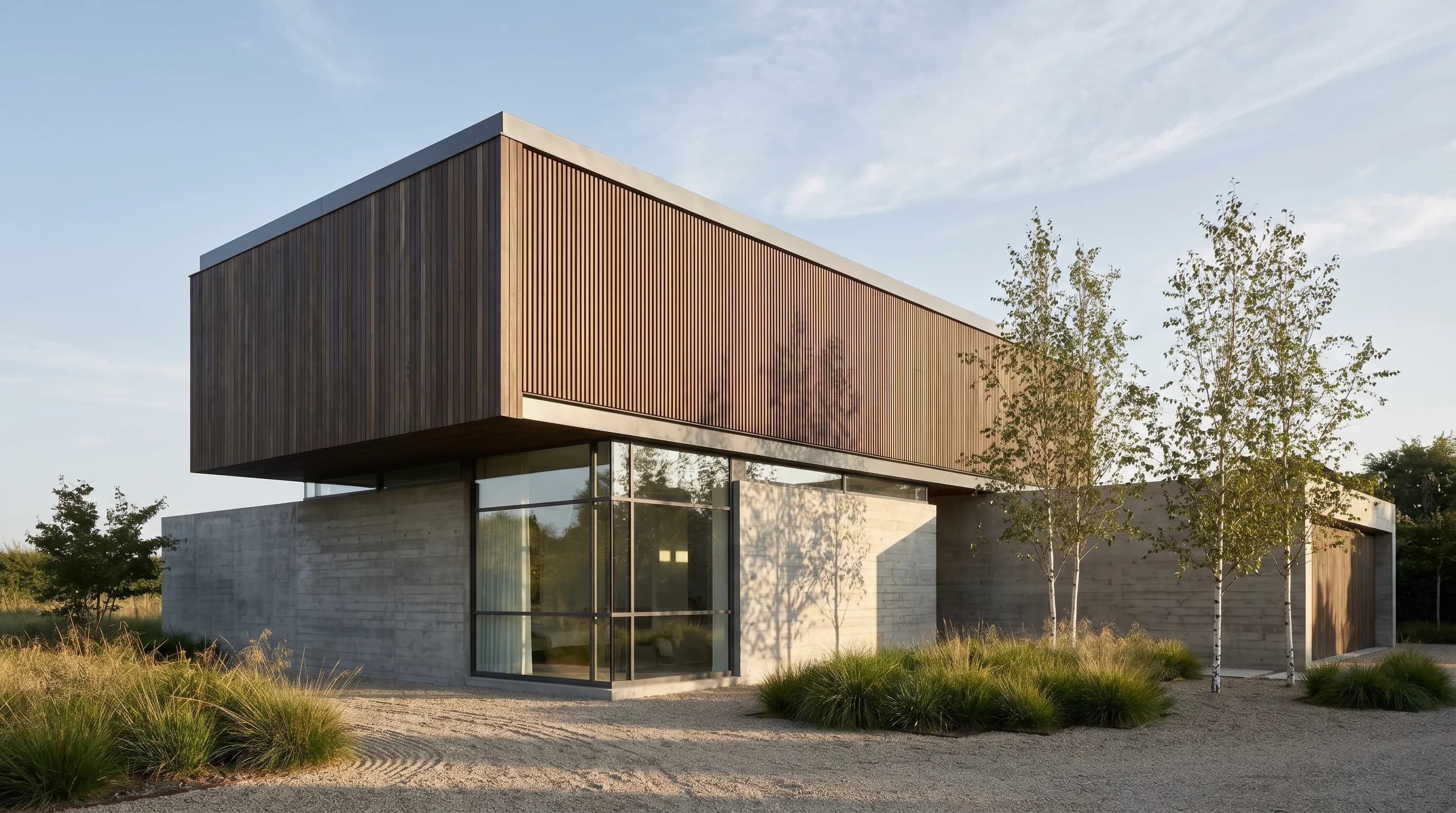
3D Rendering Services: $19–$3,000 by Deliverable (2026)
What 3D rendering services cost in 2026 by deliverable: floor plans from $19, packshots from $42, interiors from $99, exteriors $149–$900, aerials more.
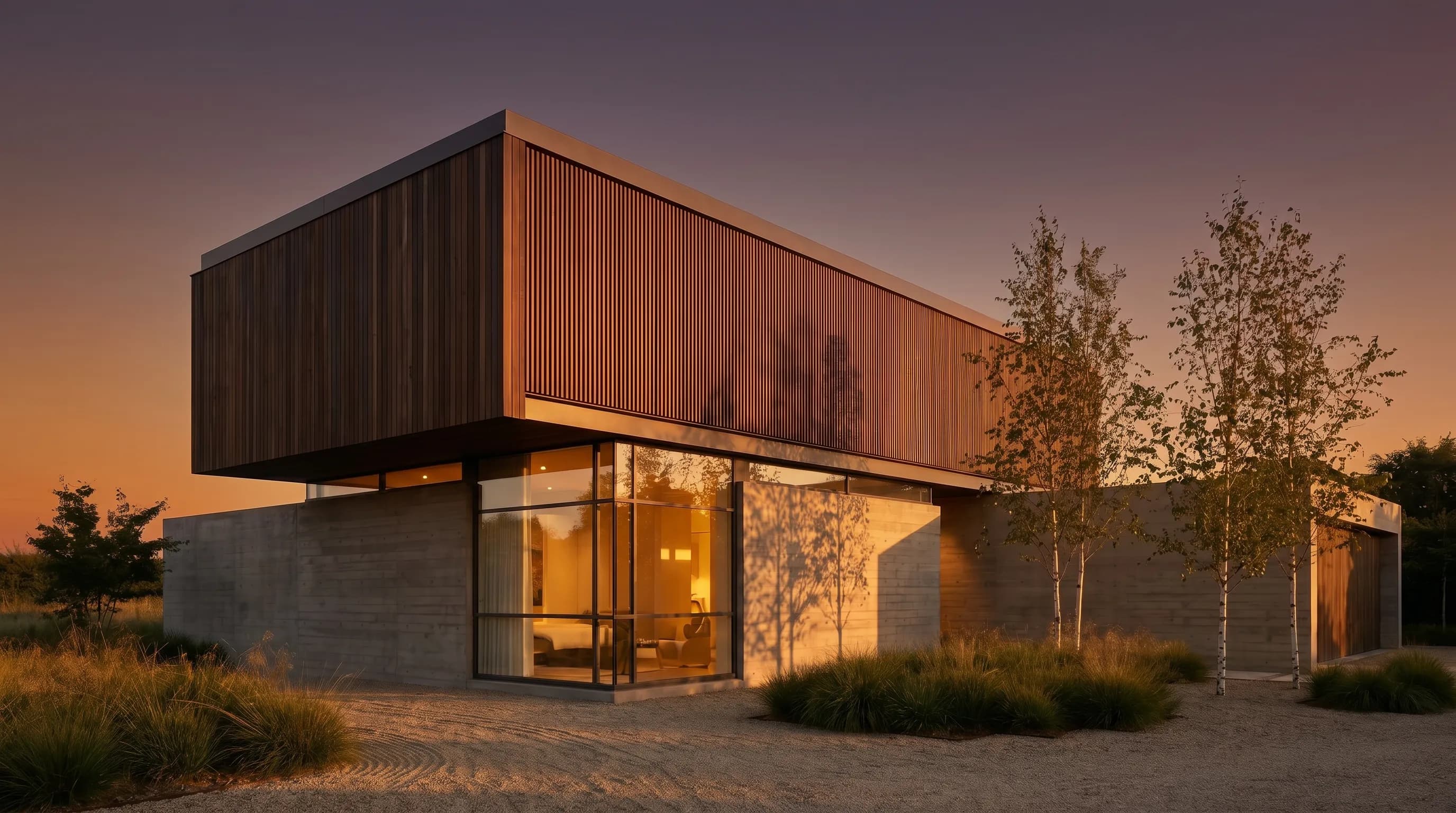
3D Exterior Rendering Services: $149–$2,500 (2026)
What 3D exterior rendering services charge in 2026: $149–$900 per view at studios with a published price, plus turnaround and what to send.
3D Floor Plan Rendering Services: $19–$99 per Floor (2026)
What 3D floor plan rendering services charge in 2026: $19–$40 per floor at volume services, $59–$99 at studios, 24–72 hour turnaround.
