 Render a House/Updated Sep 7, 2026
Lumion Pricing 2026: View ($19/mo), Pro ($96/mo), and Pro Floating ($125/mo)
Lumion View costs $19 a month, Lumion Pro is $96 a month, and Lumion Pro Floating is $125 a month, all billed annually. Only Pro and Pro Floating get you the full desktop application — and that application is Windows only.

Those numbers answer the sticker-price question. What they leave out is the more useful one: Pro is roughly five times the price of View, the 3-year plan really does save close to 20% if you have read the fine print, and the software most people mean when they say "Lumion" simply does not run on a Mac — a fact Act-3D states plainly rather than hides.
Prices below are Act-3D's published United States list prices for Lumion 2026, taken from the official Lumion buy page. Lumion quotes each plan as a monthly figure; annual and 3-year totals below are Lumion's own stated totals, which round slightly differently than a plain multiplication — the same pattern we found on Autodesk's own pricing.
Lumion pricing at a glance
| Plan | Annual | Billed as | Built for |
|---|---|---|---|
| Lumion View | $229 / yr | $19 / mo | Real-time plugin for SketchUp, Revit, and Archicad; the SketchUp version runs on macOS or Windows |
| Lumion Pro | $1,149 / yr | $96 / mo | The full standalone application: 10,000+ assets, full PBR materials, animation, and AI upscaling. Windows only |
| Lumion Pro Floating | $1,499 / yr | $125 / mo | Every Pro feature on a floating seat that multiple people can share across machines |
| Lumion Enterprise | Custom | Custom | Volume licensing, onboarding, and dedicated support for larger teams |
Act-3D sells three fixed tiers and one custom one. There is no perpetual licence at any tier, and no tier below View — the closest thing to a permanent free option is the education licence, covered further down.
What each Lumion plan actually includes
Lumion View — $19/mo
A lightweight, CAD-specific plugin: real-time ray tracing, sun studies, enhanced PBR materials, and image output capped at 4K, built into SketchUp, Revit, or Archicad rather than running as its own application. It is also the only Lumion tier with any path to macOS — through the SketchUp integration specifically.
Lumion Pro — $96/mo
The real product: 10,000+ models and materials, fine-detail nature assets, a full physically-based material workflow, atmospheric and post effects, advanced animation, an AI image upscaler, and output as stills, video, or 360° panoramas. Pro is compatible with SketchUp, Revit, Archicad, and Rhino, and it is Windows only — Act-3D does not sell a macOS build at any price.
Lumion Pro Floating — $125/mo
Every Pro feature, plus a floating seat licence that can be installed on multiple computers and shared across a team, along with 24/7 premium support. It costs $350/yr more than a named-user Pro seat, which only pays off once a floating seat actually replaces more than one named seat rather than adding a spare.
Lumion Enterprise
Volume licensing, onboarding, and account-level support for larger organizations, quoted individually rather than listed — Act-3D's own pricing page lists this tier as "Let's talk" with no published floor.
Lumion pricing by payment term
Every plan above is sold two ways: a 1-year term billed annually, or a 3-year term billed upfront and renewed after 36 months. Act-3D advertises the 3-year option as a 20% saving, and the arithmetic actually holds:
| Plan | 1-year (× 3) | 3-year (upfront) | Monthly on 3-year | You save over 3 years |
|---|---|---|---|---|
| Lumion View | $229 / yr | $550 upfront | $15 / mo | $137 (20%) |
| Lumion Pro | $1,149 / yr | $2,758 upfront | $77 / mo | $689 (20%) |
| Lumion Pro Floating | $1,499 / yr | $3,598 upfront | $100 / mo | $899 (20%) |
Three consecutive 1-year Pro terms cost $3,447; the 3-year term is $2,758 — a $689 difference, which is 19.98% of $3,447. The same ratio holds for View ($137 saved on $687) and Pro Floating ($899 saved on $4,497), so the 20% figure is not marketing rounding — it is the same discount applied to every tier. The trade-off is real too: you pay the full multi-year amount on day one, with no month-to-month option in between.
Lumion pricing by region
Act-3D prices Lumion in exactly three currency zones — there is no separate MXN, BRL, ARS, or other localized list price anywhere in the world:
| Region | View (annual) | Pro (annual) | Pro Floating (annual) |
|---|---|---|---|
| United States (USD) | $229 | $1,149 | $1,499 |
| United Kingdom (GBP) | £169 | £899 | £1,049 |
| Everywhere else (EUR) | €199 | €999 | €1,299 |
The United States and United Kingdom get their own currency and list price; every other country on earth, including all of Latin America and continental Europe, is billed in euros at the same rate. A firm in Mexico City and a firm in Berlin pay exactly the same €999 for Lumion Pro.
Why is Lumion so expensive?
$96/mo for Lumion Pro is genuinely high next to the rest of the category — Enscape Solo is $47.90/mo and V-Ray Solo is $45/mo, both under half the price. The gap has a real cause rather than being unexplained margin.
Enscape and V-Ray are sold as plugins that render inside somebody else's CAD application. Lumion Pro is a standalone application with its own asset pipeline: over 10,000 native models and materials, its own animation and video export engine, 360° panorama output, and a built-in AI upscaler — a broader product than a real-time preview layer. That asset library specifically is a genuine strength; it is the reason architects who have used both routinely say Lumion's content library is the best in the category, even when they end up choosing something cheaper.
The Pro Floating premium follows the same logic in miniature: $350/yr buys the right to install on more than one machine and share a seat across a team, which a single named-user licence does not allow at any price.
Both View and Pro also include direct upload to Lumion Cloud for sharing scenes and renders with a client, at no extra charge on top of the licence. It is a small feature next to the asset library or the animation engine, but it is one more reason the price sits where it does rather than at Enscape or V-Ray's level: Lumion is priced as a complete visualization product, not a plugin that hands off to somebody else's tools for everything past the render itself.
The Mac problem nobody talks about
Act-3D is direct about this rather than vague. Its own free trial page states: "Lumion Pro is not officially supported on Mac computers. We strongly advise running Lumion on Windows PCs as they typically can be configured with more powerful hardware than Macs, which is needed for rendering faster and more efficiently."
A workaround exists, and Act-3D documents it rather than pretending it does not: a recent Mac with a fast GPU, a separate Windows 10 licence, at least 100 GB of free disk space, and Apple's Boot Camp to install Windows alongside macOS. That is a second operating-system licence and a dual-boot setup on top of the $1,149/yr subscription, to run software Act-3D itself says is not officially supported on the machine you already own.
The one Mac-native option is Lumion View, and only through the SketchUp integration — Revit and Archicad users get no macOS path at all, since those host applications are Windows-first themselves. If your studio is Mac-based and needs Pro-level output rather than View's capped 4K preview, that is exactly the gap Render a House is built to close: it runs in a browser, needs no GPU, and renders the same design files on macOS without a Windows licence or a dual-boot partition.
Lumion pricing for students and educators
| Licence | Price | Terms |
|---|---|---|
| Lumion Student | Free | 1-year licence, renewable while enrolled; renders carry a watermark |
| Lumion Faculty | Free | 3-year licence, renewable |
| Free trial (View or Pro) | Free for 14 days | No credit card required; full feature set of the plan you trial |
Lumion Student is free for a renewable one-year term, but it is a genuinely different product from the commercial one: renders carry a visible watermark, and project files saved in the student version cannot be opened in a paid copy of Lumion. Lumion Faculty is the same free model on a three-year renewal instead of one. Terms are on Act-3D's own education licensing page.
Can you use Lumion for free?
Not for paid work. Act-3D offers a 14-day free trial of either View or Pro with no credit card required, which is enough time to test a real project but not to run a studio on. Outside the trial and the education licences above, every Lumion tier is a paid subscription — there is no permanent free commercial tier, and no perpetual licence at any price.
The trial itself has a hardware gate worth knowing before you request one: Act-3D's own trial page says the Pro trial needs at least 105 GB of free disk space and a Windows PC with a capable graphics card, checked via a built-in benchmark before you start.
Costs beyond the Lumion subscription
The subscription is the floor. Two things sit outside it for most studios, and the first is only relevant if you decide Lumion is not the renderer for you.
Rendering software alternatives
If you are pricing Lumion against the rest of the real-time rendering category rather than assuming it is the only option, these are the current list prices from each vendor's own pricing page:
| Renderer | Entry price | Notes |
|---|---|---|
| Lumion Pro | $96 / mo · $1,149 / yr | This page's subject. The largest native asset library in the category; Windows only |
| Enscape Solo | $47.90 / mo · $574.80 / yr | Real-time preview that runs inside SketchUp, Revit, Rhino, or Archicad |
| V-Ray Solo | $45 / mo · $540 / yr | Industry-standard biased/unbiased renderer, steeper learning curve |
| D5 Render Pro | $30 / mo · $360 / yr | Has a genuinely usable free Community tier |
| Twinmotion | Included with a Revit subscription | Epic's entry-level real-time renderer; no independently published price |
| Render a House | Free · $39 / mo | Browser-based AI rendering, no GPU and no Windows; 3 renders a day on the free tier |
Lumion Pro sits at the top of that list by a wide margin — roughly double Enscape or V-Ray, and over three times D5 Render's entry price. Whether that gap is worth paying comes down to how much you actually use the asset library and animation tools that justify it.
Hardware
Lumion Pro leans harder on the graphics card than most CAD software, and Act-3D is explicit about it. The minimum tier on Act-3D's system requirements page asks for a GPU scoring 8,000+ on the G3DMark benchmark — an Nvidia GTX 1060 or AMD Radeon RX 580 class card — with 6 GB of video memory, 16 GB of system RAM, and 105 GB of free disk space. The recommended tier moves that to a 14,000+ G3DMark card (an RTX 3060 or Radeon RX 6700 XT class GPU), 10 GB of VRAM, and 32 GB of RAM.
None of that is included in the subscription. A GPU in the recommended range is roughly a $300–$450 component on its own, before the rest of the machine, and it is a real line item beyond the licence — one an AI renderer that runs in a browser removes entirely. For the full breakdown by project size, the Lumion system requirements page covers every tier in detail.
Training
Lumion's real-time feedback loop is genuinely one of the faster learning curves in the category — you see the final image as you work rather than waiting on a render pass. That said, studios adding Pro Floating for a team still budget a short onboarding pass so the shared seat and the asset library get used consistently rather than reinvented per project.
The real cost of a year on Lumion
Putting the pieces together, here is what a year actually costs at three common setups. Licence figures are Act-3D's own list prices; the hardware figure is an estimate and marked as such.
| Setup | What is in it | Total |
|---|---|---|
| Freelancer, occasional plugin use | Lumion View $229/yr, on a laptop already good enough for SketchUp | ≈ $229 / yr |
| Studio, one Pro seat for client imagery | Lumion Pro $1,149/yr + a rendering-capable Windows GPU (~$1,200 one-off) | ≈ $1,150 / yr, plus a one-off machine cost |
| Three-person team sharing one seat | Lumion Pro Floating $1,499/yr instead of three named Pro seats at $3,447/yr | ≈ $1,499 / yr, a $1,948/yr saving over three seats |
The third row is the one worth double-checking before you buy: Pro Floating at $1,499/yr against three named Pro seats at $3,447/yr is a $1,948/yr saving — but a floating seat is typically checked out by one user at a time, so it only works for a team that is not all rendering simultaneously. Read that as a scheduling trade, not a free multiplier.
When Lumion makes financial sense
The useful question is not whether $96/mo is a lot of money in the abstract. It is whether Lumion Pro's specific strengths — the asset library, the animation and video pipeline, the AI upscaler — are things your studio actually bills for.
- Client-facing animation and video are a real deliverable.Pro's video export and 360° panoramas are not matched by Enscape or D5 at their entry tiers, so if walkthroughs and flythroughs are part of what you sell, Pro is paying for a feature the cheaper options do not have.
- You lean on the built-in asset library. 10,000+ models and materials means fewer hours spent sourcing or building props and textures. For a studio producing a high volume of exterior context shots, that time saving is worth more than the price gap to Enscape.
- You are already on Windows.None of Pro's advantages matter if the machine it runs on has to be bought or virtualized first. On existing Windows hardware, the subscription is the whole cost.
- A team genuinely shares one machine at a time. Pro Floating's $1,499/yr beats three named seats at $3,447/yr only when the team is not rendering concurrently — true for a small studio with one dedicated visualization seat, false for three people who each need Lumion open every day.
When to consider alternatives
Three situations make a cheaper renderer, or no separate renderer at all, the better call than Lumion Pro:
- Your studio is Mac-based. Lumion Pro simply is not an option without buying and maintaining a Windows machine or a Boot Camp partition. Enscape at least runs natively on Apple Silicon for SketchUp, Rhino, Archicad, and Vectorworks (just not Revit, since Revit itself has no Mac build); Lumion offers no such path, and a browser-based renderer needs neither Windows nor a plugin host.
- You need occasional stills, not a full production pipeline.Lumion View at $19/mo, D5 Render's free Community tier, or an AI renderer that charges per render rather than per seat all cost less than Pro for light, intermittent use.
- Budget is the binding constraint, not features. At $1,149/yr, Pro is the most expensive entry point in the real-time category by a wide margin. A studio choosing between software on price alone will land on D5 Render or Twinmotion before Lumion — D5 Pro is $360/yr and Twinmotion is free below $1M in annual gross revenue.
Is Lumion worth the cost?
For a SketchUp-based studio that just wants fast concept previews inside the modeling window, View at $19/mo is a fair deal and one of the cheaper real-time options around. For production-grade stills and animation, Pro's asset library and toolset are genuinely the deepest in the category — the $96/mo price is high, but it is high for a stated reason rather than an unexplained one.
The catch stays the same regardless of which tier you pick: Lumion Pro does not run on a Mac, officially or otherwise supported without a second Windows licence. You can keep your existing modeling software and render the exported view somewhere that does run on your machine instead. Render a House takes an exported view, an OBJ, or a GLB and returns a photorealistic image without a render engine, a GPU, or an operating-system requirement. It is free to start — 3 renders a day — and paid plans are $39/mo, or $312/yr, about 73% less than Lumion Pro's $1,149/yr, and it runs on the Mac that Lumion Pro will not. Full plan details are in the pricing docs.
Pricing other rendering software at the same time? Enscape pricing covers the closest direct competitor from the table above in the same detail, and KeyShot pricing covers the product-visualization renderer many of the same studios also license. Archicad pricing covers the BIM software Lumion plugs into on the modeling side. If you are pricing SketchUp or Revit seats to go with your renderer, SketchUp pricing and Revit pricing run the same numbers for those licences. Lumion alternatives puts Enscape, V-Ray, Twinmotion and D5 Render side by side, with Render a House on the last line. For the AI side, see Lumion AI features and the no-model option, Render a House.
Common questions about Lumion pricing
How much does Lumion cost?
Lumion View costs $19 per month ($229 billed annually), Lumion Pro costs $96 per month ($1,149 billed annually), and Lumion Pro Floating costs $125 per month ($1,499 billed annually). Enterprise licensing is custom-quoted. All figures are Act-3D's published United States list prices.
Is Lumion free?
Not for commercial use. Act-3D offers a 14-day free trial of View or Pro with no credit card required, and Lumion Student is free for a renewable one-year term, though renders carry a watermark and student files cannot be opened in a commercial copy of Lumion. Lumion Faculty is free for a renewable three-year term.
Does the Lumion 3-year plan actually save money?
Yes, and the saving checks out: three consecutive 1-year Pro terms cost $3,447, against $2,758 for one 3-year term — a saving of $689, or almost exactly the 20% Lumion advertises. The same 20% holds for View ($137 saved) and Pro Floating ($899 saved). The trade-off is paying the full multi-year amount upfront.
What is the difference between Lumion View and Lumion Pro?
View is a lightweight real-time plugin for SketchUp, Revit, and Archicad, capped at 4K image output, for $19/mo. Pro is the full standalone application — 10,000+ models and materials, full PBR materials, animation and video export, 360 panoramas, and an AI image upscaler — for $96/mo, about five times the price. Pro is also the only tier with real production-grade output; View is built for fast concept checks inside your modeling software.
Does Lumion work on Mac?
Lumion Pro does not. Act-3D's own trial page states plainly that "Lumion Pro is not officially supported on Mac computers," and recommends Windows because it can be configured with more powerful graphics hardware. Lumion View has a macOS build, but only paired with SketchUp — and it is the lightweight plugin tier, not the full rendering application.
Is Lumion a one-time purchase?
No. Every Lumion licence sold today is a term subscription — a 1-year plan billed annually, or a 3-year plan billed upfront and renewed after 36 months. Act-3D does not sell a perpetual licence for any current version.
Keep reading
Related guides and comparisons
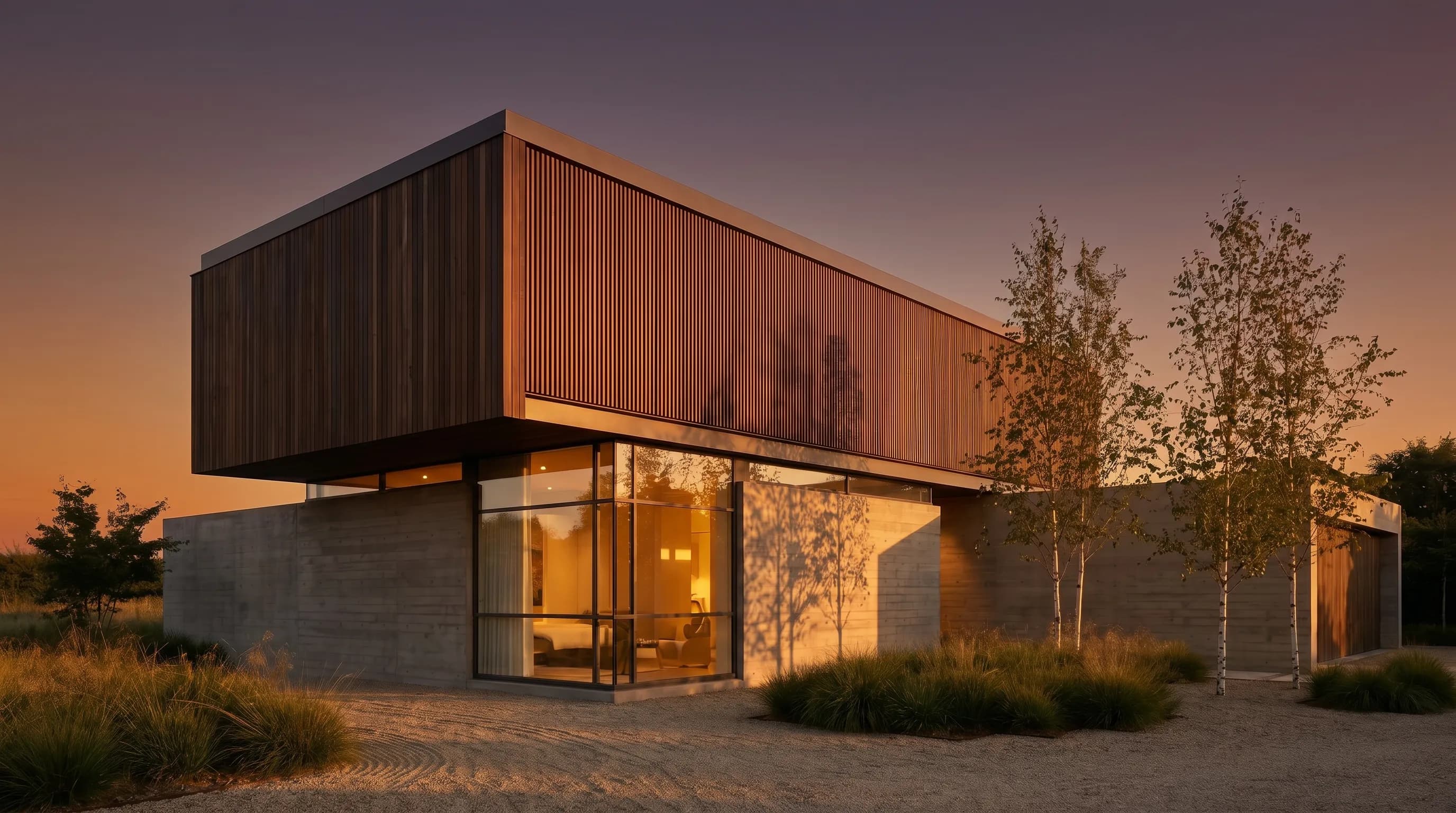
ChatGPT for architectural rendering: does it work?
Partly. ChatGPT is great for a fast concept image, but edits drift and it can't keep several renders of one project consistent. Render a House can.
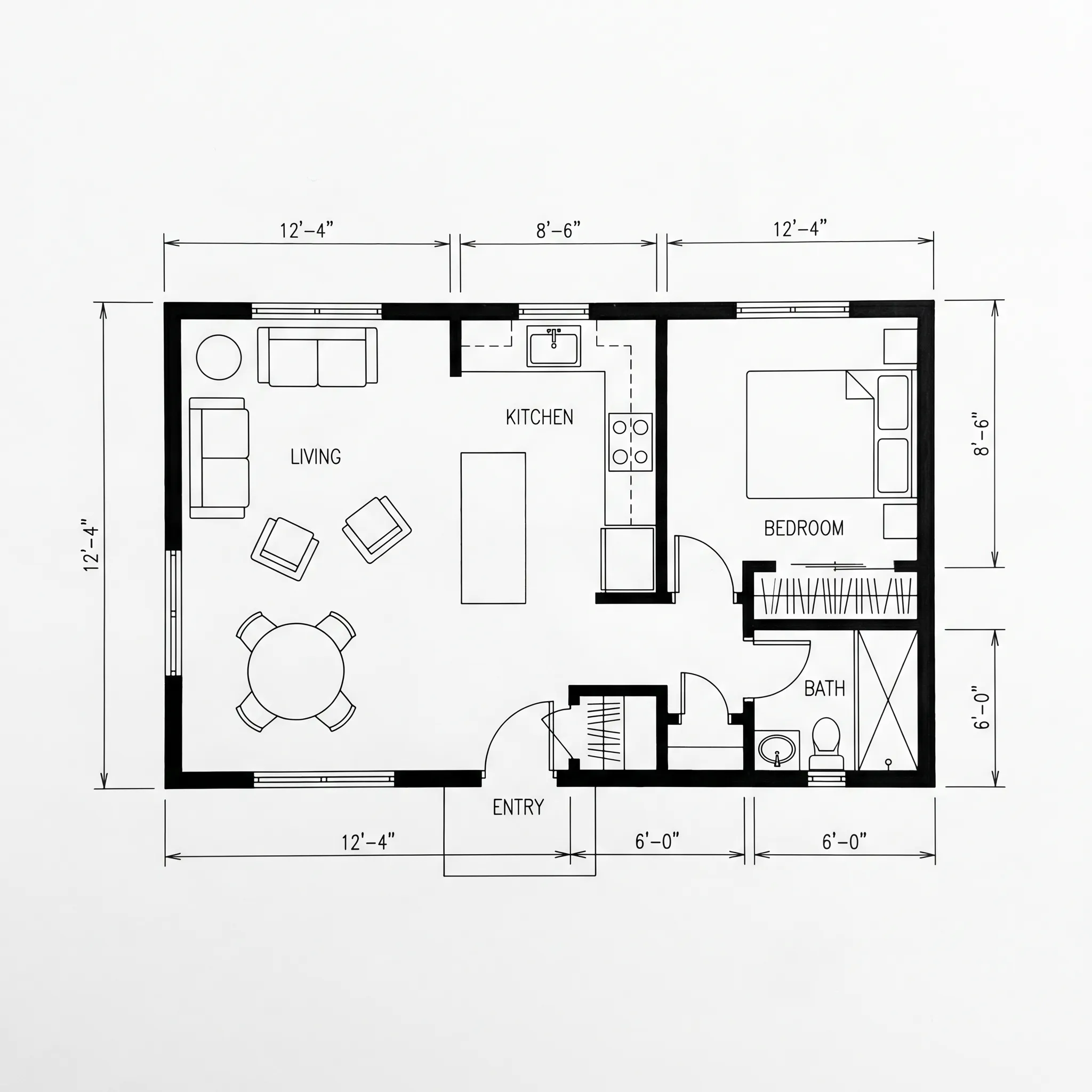
How to Turn a 2D Floor Plan Into a 3D Render With AI (5 Steps)
Turn a 2D floor plan into a 3D render with AI in 5 steps. Render a House makes a photorealistic image in 30–60 seconds, free to start.
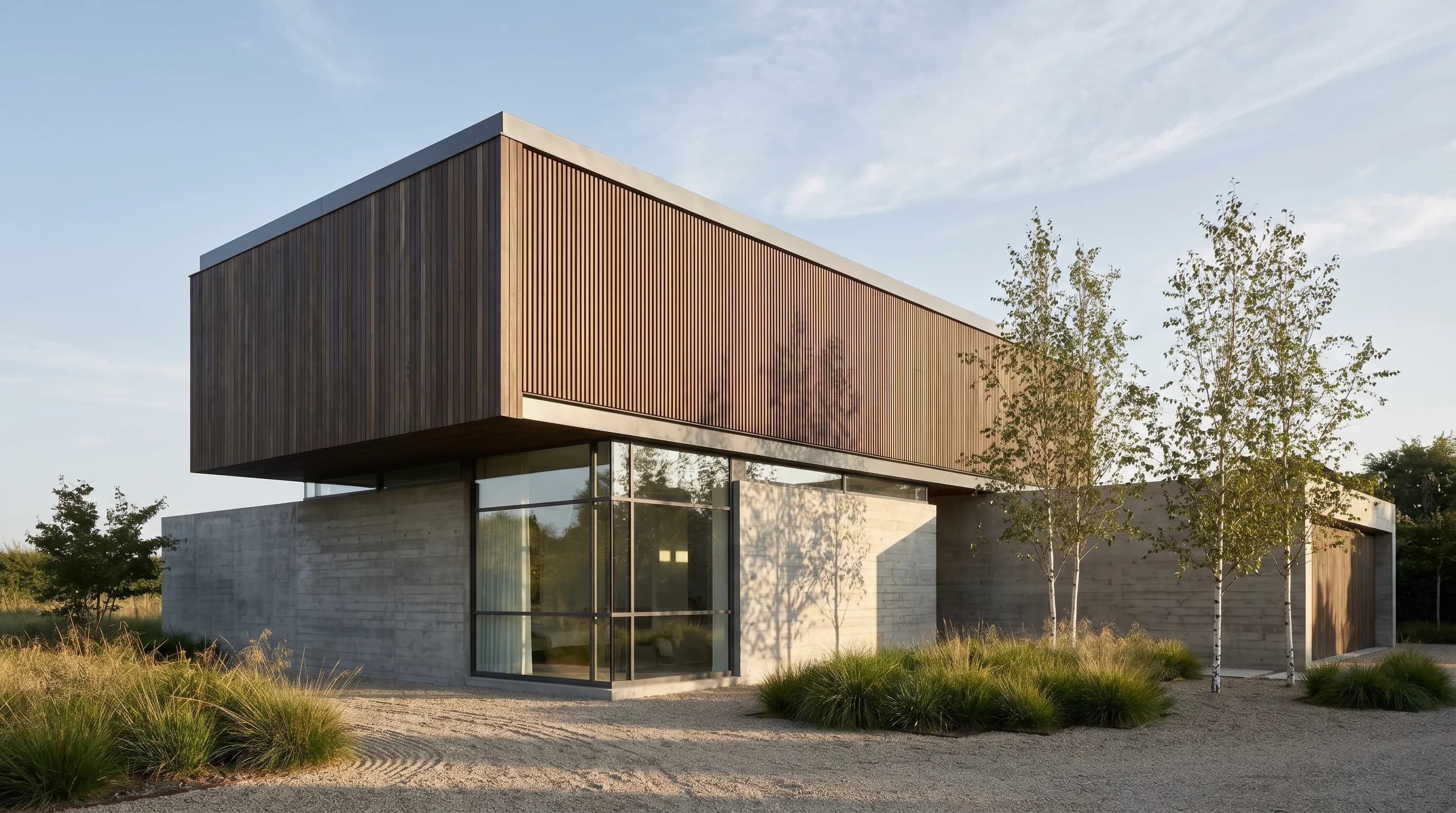
Best AI Rendering Tools for Architects in Latin America (2026)
AI rendering tools for architects in Latin America (2026): Render a House, Veras, ArchiVinci, LookX, MyArchitectAI, Maquete. Languages, prices.
